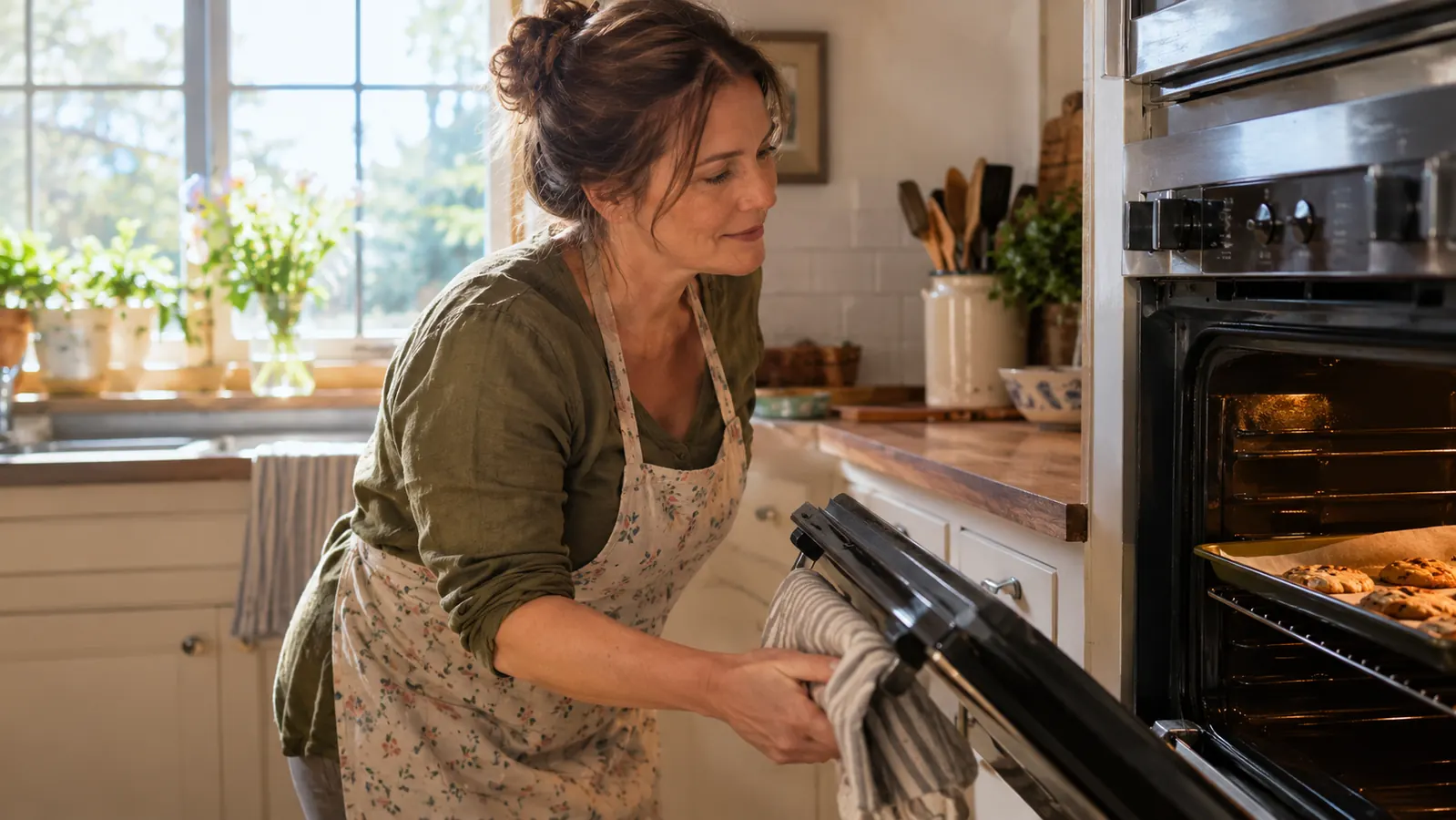
For the first time in fifteen years of baking, I made a chocolate cake that came out of the oven flat in the middle. Not sunken, not underdone. Flat. It was the Tuesday before the school bake sale, and I had one evening to get it right. I did everything the same as always, and I stood there in my kitchen outside Madison wondering what had changed. Then I remembered my oven had been running cold for weeks. The dial said 350. The cake said otherwise. What I needed was a Taylor oven thermometer, and I did not own one yet.
I bake every week, mostly for my family and the school bake sale, and I had been blaming myself for a string of disappointments. The oatmeal cookies I baked for Nora's study group spread into one giant disc. The sourdough loaf I was so proud of never sprang in the oven. Even my grandmother's sponge, a recipe I had made a hundred times, came out dense. I figured I had lost my touch. Then my husband Tom, who notices everything about the garage and nothing about the oven, said the same thing he always says when I complain: what does the thermometer say?
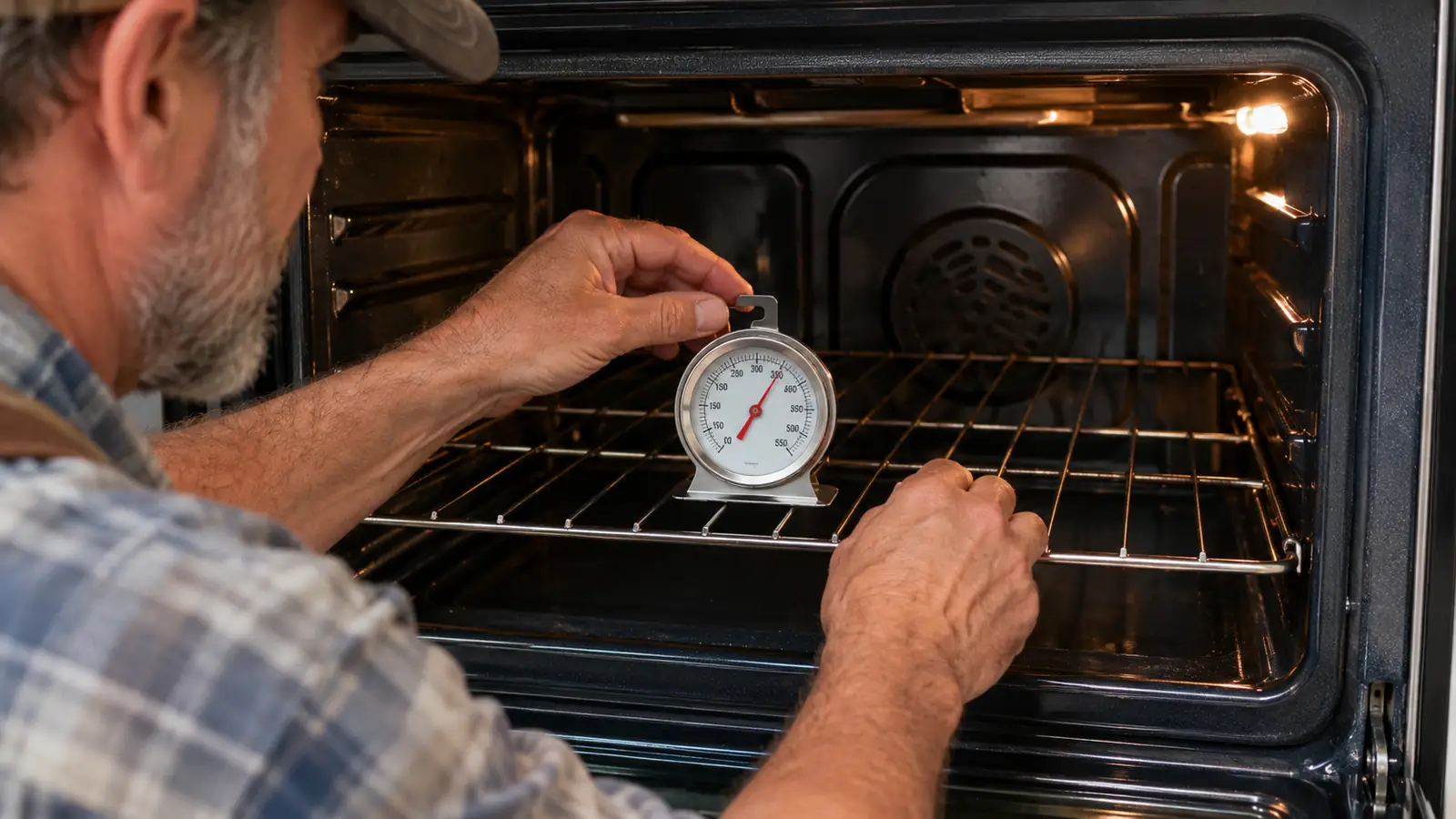
I had never checked what my oven was actually doing, not once in all my years of baking. I had trusted the dial the way you trust a faucet to run cold and hot. So the next morning I bought the plain Taylor, the one with the big dial, and put it on the middle rack.
The first reading stopped me mid-coffee. My oven, set to 350, was holding at about 325. Twenty-five degrees cold. Before I bought the thermometer I had already checked the baking powder, switched to room-temperature eggs, and bought a new bag of flour. Nothing helped, because the problem was never the ingredients. Twenty-five degrees is the difference between a cake that rises and a cake that flattens, between a loaf that springs in the oven and a loaf that gives up. My oven had been lying to me for months, and I had been taking the blame.
My oven, set to 350, was holding at about 325. Twenty-five degrees cold. That is the difference between a cake that rises and a cake that flattens.
If your oven dial has ever lied to you, this is the simple fix that tells the truth
One small dial thermometer on the middle rack, and you finally know what temperature your oven is actually holding. No guesswork, no flat cakes.
Amazon Check Today's Price on Amazon →I started baking with the Taylor thermometer in the oven every single time. Not because I planned to, but because I could not stop checking it. It reads from 100 to 600 degrees Fahrenheit, which covers everything I do, from a slow bread proof to a hot pastry bake. The dial is large and easy to read through the oven door, with the temperature zones marked clearly, so I can glance over while I am kneading or frosting.
The Taylor thermometer is a plain analog dial with a stainless steel body and glass face, and that plainness is the whole point. There is no digital display to misread, no button to press, no setting to fiddle with. It just sits on the rack and tells me what is true. I have dropped it, knocked it against the pan drawer, and left it on the rack through a whole afternoon of baking, and it still reads the same as the day I bought it.
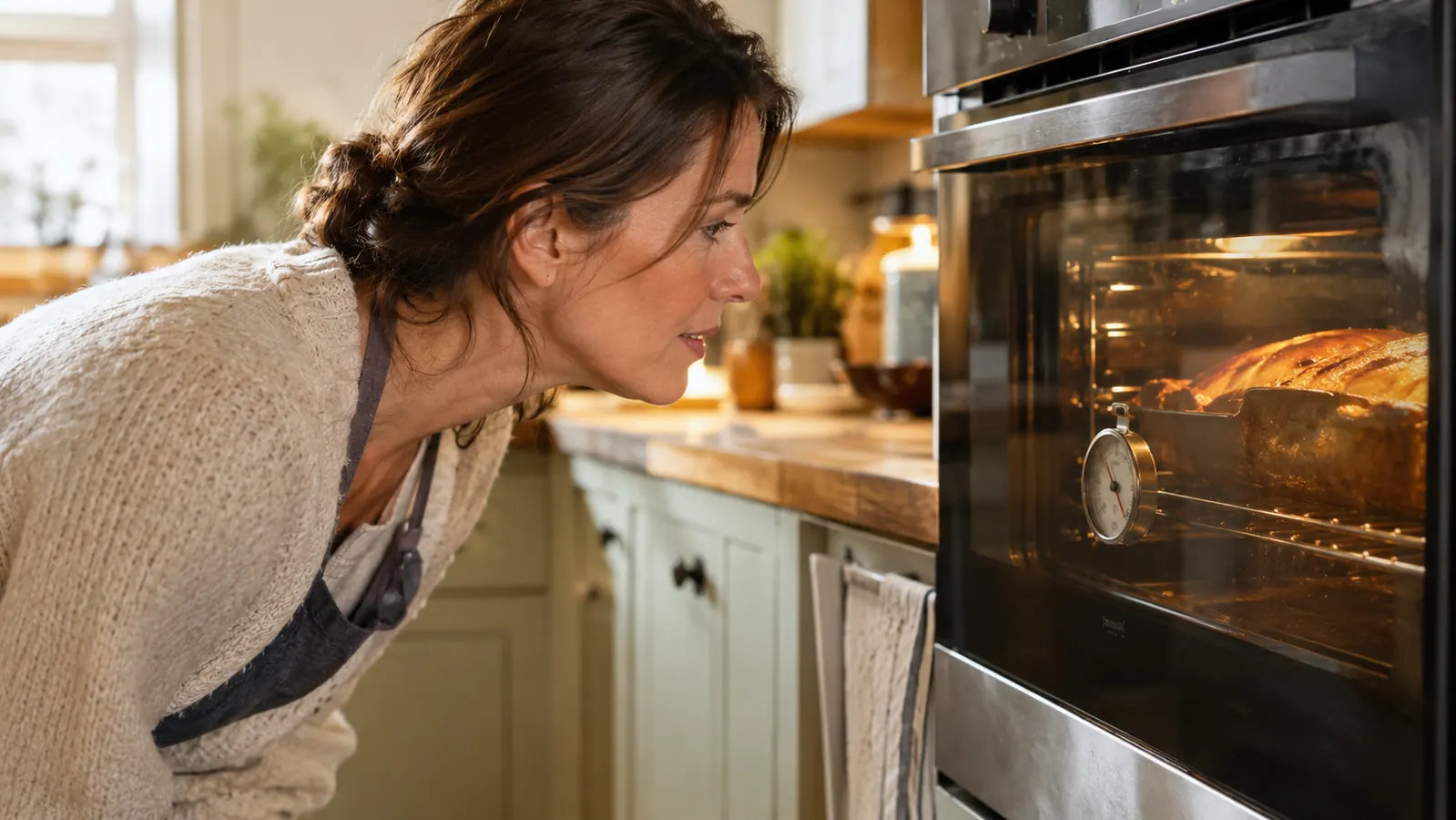
Once I knew my oven ran cold, I started adjusting. If a recipe calls for 350, I set the dial to 375 and let the Taylor thermometer tell me when the inside of the oven has caught up. The first Saturday after I bought it, my banana bread came out with a high, even dome, the way my grandmother's always did. My coworker Diane asked for the recipe, and I had to admit the recipe had not changed, only my oven had. My teenager Ben, who will eat exactly three things, asked if I had changed the recipe.
The honest part: it took me a week to remember to look at it before preheating. The first time I used it, I preheated for the usual five minutes and the thermometer read 275, which explained every underdone pie crust I had made since November. I still occasionally walk away and come back to an oven that has not reached the dial temperature yet. The Taylor thermometer does not fix a slow oven. It just tells you the truth about it, and then you get to decide what to do with that truth. For me, that meant giving my oven a longer preheat and a twenty-five-degree nudge on the dial.
What I'd Tell You If We Were Sitting at My Kitchen Table
If you bake even once a month, buy yourself a Taylor oven thermometer before you buy another specialty pan or another fancy mixer. Your oven is the one variable you have never actually measured, and it is the one most likely to be wrong. Every oven drifts, and most drift cold. A simple dial thermometer on the middle rack will tell you more about your baking than any fancy gadget ever will.
Put it on the middle rack, let the oven preheat fully, and read it through the door. Give your oven a full twenty minutes to settle, not the five the beep suggests. Then adjust your dial to match what the recipe actually wants. It takes one bake to learn your oven's personality, and after that you are baking with information instead of hope.
I wish I had bought mine years ago. I would have saved myself a dozen dense loaves, an entire Thanksgiving of underdone pie crusts, and at least one very flat birthday cake. The Taylor thermometer has earned a permanent spot on my middle rack, and it will stay there until the day I replace the oven itself.
Know your oven, then trust your baking
One small dial thermometer tells you what your oven is actually doing, so every cake, loaf and batch of cookies comes out the way you meant it to.
Amazon Check Today's Price on Amazon →