
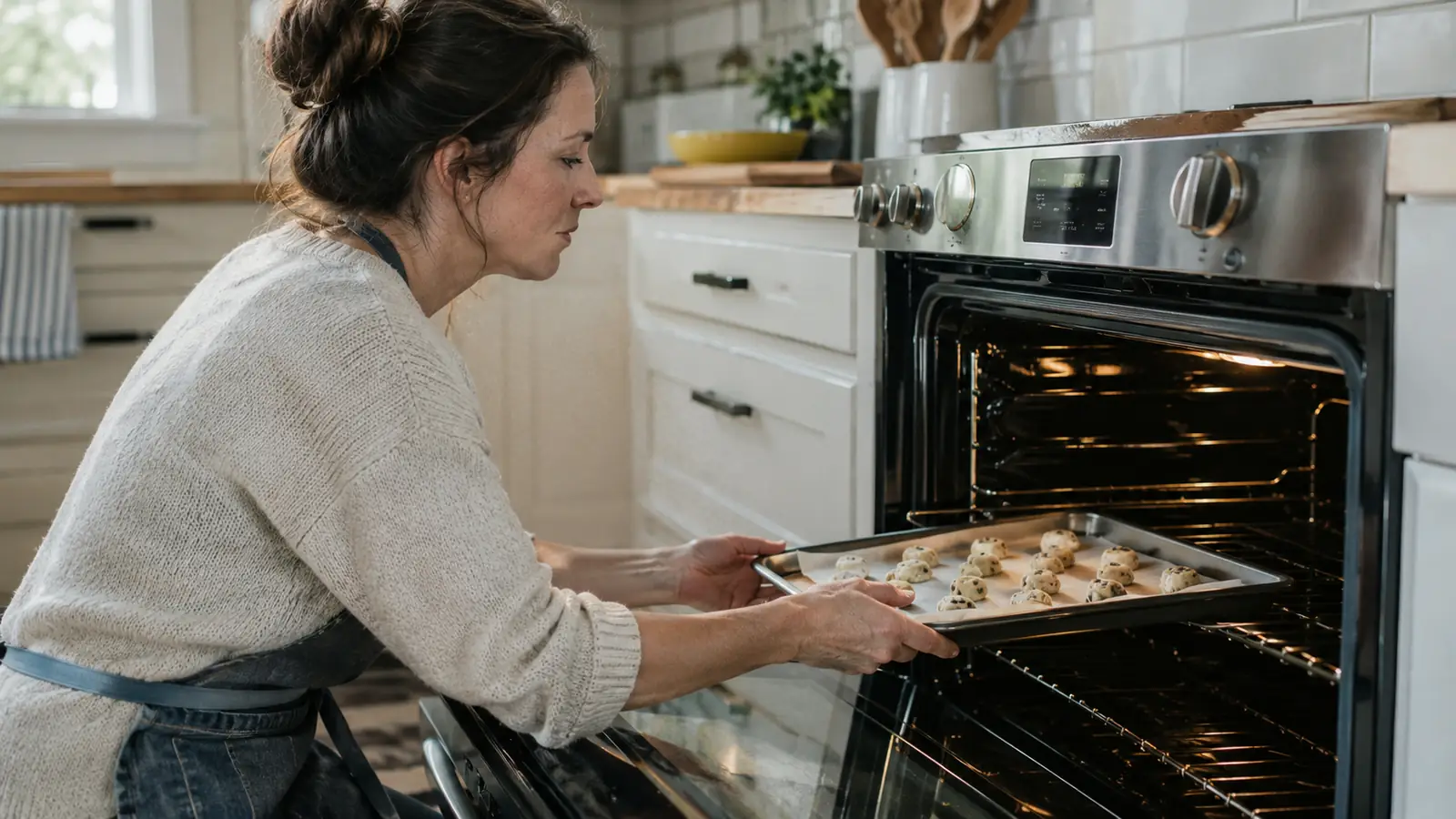
The first time I pulled a sheet of cookies out of the oven and found one giant, buttery pancake where twelve neat rounds should have been, I did what most home bakers do. I blamed the butter. Then I blamed the recipe. Then I blamed my standard electric oven, the same one that has baked every birthday cake in this house for the past twelve years. The real problem turned out to be simpler than any of that: the dough was spreading on a hot, dark pan before it had a chance to set. I fixed it with the OXO Good Grips Silicone Baking Mat, and I have not gone back to a bare sheet pan since.
This guide is the routine I actually use on a normal weeknight, with dough from a tube and dough I mix myself, with chocolate chip, oatmeal, and sugar cookies. It will not make you a professional baker overnight. It will stop the most common reason cookies spread: the surface under the dough is working against you. If your cookies end up thin, crispy in the wrong places, or welded to the pan, start here.
Stop Baking Pancakes. Start With a Mat That Lets Dough Set.
The OXO Good Grips Silicone Baking Mat gives cookies an even, non-stick surface that helps them hold their shape while the oven does the work. It is reusable, dishwasher safe, and made for half-sheet pans.
Amazon Check Today's Price on Amazon →Why Cookies Spread in the First Place
Cookies spread for a few reasons, and usually more than one is happening at once. The butter is too soft, the dough is too warm, the pan is too hot, or there is not enough flour to hold the structure. The pan matters more than most recipes admit. A dark, thin, or preheated pan transfers heat fast to the bottom of the dough, melting the fat before the eggs and flour can set. The result is a puddle with a lacy edge.
Switching to a silicone mat changes the heat transfer at the bottom of the dough. The OXO mat is made from food-safe silicone with fiberglass and silicone construction, which gives it structure without turning it into a metal pan. It sits flat on a half-sheet pan, and because it is non-stick, the dough does not grip the surface as it melts. That means the cookie can hold its shape while the bottom browns evenly. It is not magic. It is a more forgiving surface, and for home bakers that makes a real difference.
Step 1: Fit the OXO Mat Flat on a Cool Half-Sheet Pan
Start before you preheat. Take the OXO Good Grips Silicone Baking Mat out of the drawer and lay it on a cool half-sheet pan. The mat is 11.5 by 16.5 inches, which matches a standard half-sheet pan, so it should lie flat with little fuss. If the edges curl up, press them down and let the mat sit for a minute. A flat mat means every cookie gets the same surface.
Do not put the pan in the oven while it preheats. A hot pan is the fastest way to undo everything the mat is doing. The silicone will be fine in the oven, it is oven safe up to 450F, but the dough should meet a pan that starts at room temperature. Let the oven come to temperature with the rack inside and the pan on the counter. This one habit fixed more of my cookie problems than any ingredient change.
Step 2: Chill the Dough Before It Goes on the Mat
Warm dough spreads. It is that simple. If your kitchen is warm, if you have been handling the dough with your hands, or if the butter got soft while you were measuring, the dough will melt before the oven can set it. The mat helps, but it cannot fix dough that is already too warm. I now put my dough in the fridge for twenty to thirty minutes while the oven preheats.
This works for drop cookies and slice-and-bake cookies alike. Roll the dough into balls, arrange them on a plate or a small tray, and chill them uncovered. When they are firm to the touch but not frozen, transfer them to the mat and bake. The cold dough hits the warm oven and sets on the outside before the inside has a chance to spread. You will see a taller cookie with a rounder shape.
Step 3: Shape the Dough Balls Tall and Space Them Out
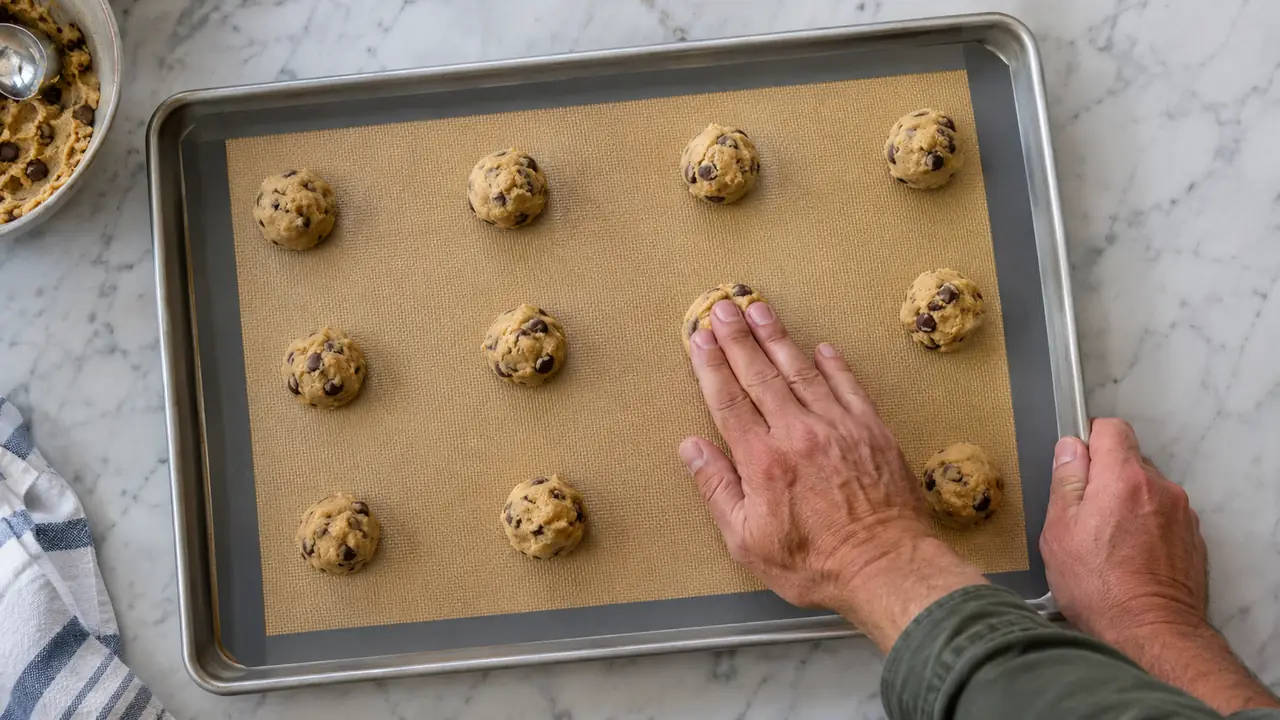
Shaping matters more than people think. A flat, wide scoop of dough will always spread into a flatter cookie than a tall, round ball of the same dough. I use a cookie scoop and then roll each ball between my palms to make it round and slightly taller than it is wide. The mat's non-stick surface means the dough does not stick to the pan as it settles, so the shape you give it is closer to the shape you get.
Space the balls at least two inches apart. The OXO mat fits on a half-sheet pan, which gives you room for about eight to twelve cookies depending on size. Crowding the pan forces cookies to bake into each other, which makes them look like they spread even when they did not. Two batches from the same dough will look neater than one crowded batch.
Step 4: Bake at the Temperature the Recipe Actually Wants
Most cookie recipes want 350F, and most home ovens run cooler or hotter than the dial says. I keep an oven thermometer on the middle rack because my oven runs about 25 degrees hot. If your cookies are spreading, check the real temperature, not the number on the dial. Too low, and the butter melts slowly and spreads before the structure sets. Too high, and the edges brown before the center cooks.
The OXO mat is oven safe up to 450F, so it is not the limit. The limit is the recipe. Bake the first tray at the temperature the recipe calls for and use the middle rack. If the bottoms are browning too fast, lower the temperature by 10 or 15 degrees and add a minute or two to the bake time. Write down what worked. The mat gives you a consistent surface, which makes it easier to see what the oven is actually doing.
Step 5: Give the Cookies a Few Minutes on the Mat Before You Move Them
The hardest part of baking cookies is waiting. I understand. The whole house smells like vanilla and butter, and the timer just went off. But if you move cookies right away, they can tear, slump, or lose their shape. The silicone mat is non-stick, so the cookies will not stick to it, but they still need a minute to firm up. Let them rest on the mat for three to five minutes on top of the stove or on a cooling rack.
Then transfer them to a wire rack to finish cooling. The mat wipes clean with warm soapy water, and it is dishwasher safe, so cleanup is quick. I have used mine every week for over a year, and it still lies flat and releases cookies the same way it did the first time. That is the real test of a baking tool in my kitchen: does it hold up after fifty batches, not just one.
What to Do When Cookies Still Spread
If you have tried all five steps and a batch still comes out thin, do not throw out the dough. Scoop the remaining dough into balls and chill them in the freezer for fifteen minutes before baking the next tray. Cold dough is the quickest fix for a warm kitchen. You can also add two tablespoons of flour to the next batch and see if that changes the spread. Write down what you did so you can compare.
One more thing to check: the baking soda or baking powder. If either is old, cookies can spread because they do not get the lift they need. Replace them if they have been in the cabinet for more than six months. The mat will not fix expired leavener, but it will give you a fair test of every other change you make.
What Else Helps
Even with the mat, a few other habits will keep your cookies from spreading. Use room-temperature butter, but not melted butter, unless the recipe specifically asks for it. Cream the butter and sugar for the full time the recipe suggests. Measure the flour by spooning it into the cup and leveling it, or better, use a kitchen scale. Too little flour is one of the most common reasons cookies spread, and it is easy to fix.
Also, give the dough a real chill. An hour in the fridge changes the texture of most drop cookie doughs for the better. If you are baking for a bake sale or a birthday, make the dough the night before. The mat handles the surface, but cold, properly measured dough handles the structure. Together they give you the kind of cookie that keeps its shape and still has a soft center.
Why I Keep the OXO Mat in the Drawer
I have a drawer full of baking tools that looked useful in the store and now just take up space. The OXO mat is not one of them. It comes out at least once a week, usually for cookies, sometimes for roasted vegetables or a sheet of pizza dough. Because it is reusable, I do not feel guilty reaching for it the way I do with a roll of parchment.
The size is the part I did not expect to love. It fits a half-sheet pan exactly, so there are no wrinkled edges and no corners flipping up. It wipes clean in seconds, and it goes in the dishwasher when I am in a hurry. For a home baker with one oven and a modest stretch of counter, that is the kind of tool that earns its place.
I will be honest about one thing: the mat is not as crisp as parchment for very delicate cookies that need a sharp edge. For those, I still reach for parchment. But for everyday cookies, the mat gives me the same result batch after batch, and that consistency is what I need on a school night.
The Bottom Line
The OXO Good Grips Silicone Baking Mat will not fix every cookie problem. If the dough is too warm, the flour is too little, or the oven is way off, you will still get flat cookies. What the mat does is remove the pan from the list of suspects. It gives you a consistent, non-stick surface at the exact size of a half-sheet pan, and it cleans up in seconds. For a home baker who bakes every week, that is worth more than a drawer full of single-use gadgets.
I still use parchment paper for some things, and I still make mistakes. Last month I forgot a tray of dough in a warm kitchen and baked it anyway. The cookies spread. The mat did not make them perfect, but it made the next batch better because I could see exactly what went wrong. That is the honest version: the mat is not a guarantee, it is a tool that takes away one common reason cookies spread.
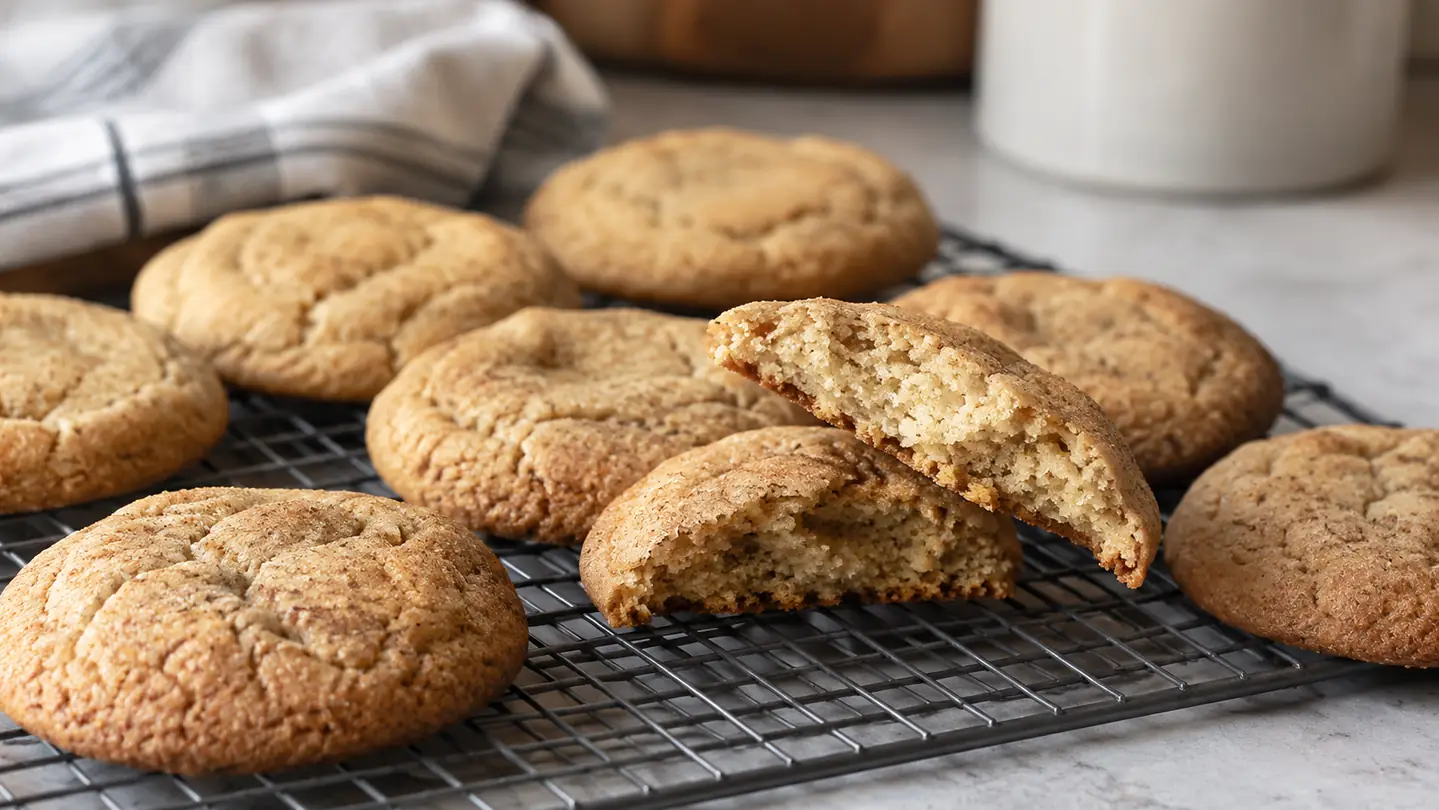
The same dough that spread into a flat puddle on my bare pan came out of the oven with a defined edge and a soft center on the OXO mat.
One Mat, Every Batch
If your cookies spread no matter what you try, the surface under them is worth a second look. The OXO Good Grips Silicone Baking Mat gives you a flat, non-stick, reusable base that works for cookies, roasted vegetables, and anything else that likes to stick. It is dishwasher safe and oven safe up to 450F.
Amazon Check Today's Price on Amazon →